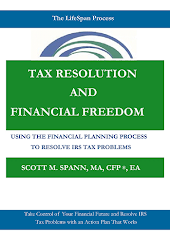
Previously this blog explored some common characteristics of financially successful individuals. The first three traits that were discussed included 1) integrity, 2) courage, and 3) willingness to act. Every financial life plan needs vision and guidance to help people make smart decisions regarding money matters. Successful plans also need models of success to help provide an idea of what a financially free life actually means. Below are some additional characteristics that I believe are important traits to possess during the journey to tax and financial freedom.
4. Commitment
“There is a difference between interest and commitment. When you are interested in doing something, you do it only when circumstance permits. When you are committed to something, you accept no excuses, only results.” Author Unknown
“The best way out is always through.” - Robert Frost
Commitment provides the necessary energy and dedication to keep moving forward. Committed people do more than just have the willingness to take action. They keep taking action over and over again.
Creating a plan alone will not automatically fix your tax and financial problems. Tax resolution generally takes a great deal of commitment. As the old saying goes, anything worth having in life does not come easily. Financial freedom is worth the hard work and effort. Freedom to live a financially secure life awaits those who are committed to doing everything it takes to succeed.
5. Purpose
“The purpose of life is a life of purpose.” - Robert Byrne
“Many people have a wrong idea of what constitutes true happiness. It is not attained through self-gratification, but through fidelity to a worthy purpose.” - Helen Keller
Living a meaningful life starts with a sense of purpose. Successful and happy people have usually spent time considering their unique purpose in life and have taken steps to fulfill that purpose. Successful people know exactly where they are going and why they want to get there. They have a clear personal vision to guide them in their personal lives, their family lives, and their careers. Purpose provides the energy and focus to help us achieve life planning goals.
6. Creativity
“The creative is the place where no one else has ever been. You have to leave the city of your comfort and go into the wilderness of your intuition. What you'll discover will be wonderful. What you'll discover is yourself.” - Alan Alda
“The world is but a canvas to the imagination.” - Henry David Thoreau
We all have an innate sense to create in our lives. Successful people have learned to tap into their creative spark and do so in a way that enriches their lives and the world around them. They are constantly questioning the crowd and traditional expectations. They create their own unique definitions of success and rarely subject themselves to a herd mentality. For many this could include doing things differently from a financial perspective. Saving for emergencies rather than spending to keep up with others takes some imagination. Creative budgeting and finding ways to entertain on a limited budget are other examples of financial creativity.
Other creative endeavors help successful people charge their cognitive batteries and inspire goal driven accomplishments. Creativity requires independent thinking. It also helps us tap into our ability to understand the difference between needs and desires through independent thinking and self-awareness. A creative mind helps prevent us from getting stuck in life. It helps us move forward and find new meaning and importance in our daily struggles.
7. Balance
“The best and safest thing is to keep a balance in your life, acknowledge the great powers around us and in us. If you can do that, and live that way, you are really a wise man.” - Euripides
The happiest and most successful people usually lead well-balanced lives. They take time for their families and fun times and celebrate the whole of their lives, not just parts of it. A holistic approach to tax and financial planning works because, without balance life can seem empty and unrewarding. The most successful people in this world are well rounded people that find happiness and joy in various aspects of their life experiences.
It is no small coincidence that the seventh trait of successful people is balance. This fits perfectly with the Seven Goal Areas of Life Planning. The elimination of debt and creation of wealth is a meaningless endeavor if you lack balance in your life. Strive for balance in your life as you continue on the path to financial freedom. Focus on other goal areas such as family, physical health, spiritual, career, social, and intellectual pursuits.
8. Persistence
“Most of the important things in the world have been accomplished by people who have kept on trying when there seemed to be no hope at all.” - Dale Carnegie
“When you come to the end of your rope, tie a knot and hang on.” - Franklin D. Roosevelt
Be persistent in the right areas. Financial planning behaviors must occur on a regular basis for them to become habits. Perseverance leads to prosperity. Never give up on your quest for tax and financial freedom. Most people with significant debt succumb to the urge to give up before they really even start the debt resolution process. Make a commitment to yourself and your family to be persistent with your financial life plan and always stay focused on your long-term goals no matter how hard the journey may be.
Monday, July 6, 2009


Monday, June 29, 2009
Money and Tax Matters on the Radio
LifeSpan Financial Planning will be represented again on the airwaves as I make another guest appearance on the Money Matters Radio Show this Saturday morning at 9:00. Money Matters is hosted by Rick Durkee and airs in the Charleston, SC market on 94.3 WSC FM. The program also streams online via http://www.wscfm.com.
Money Matters typically features a diverse group of tax and financial professionals. The show addresses all aspects of the financial planning process including topics related to tax, retirement, investments, insurance, and estate planning. My appearance will be focusing on the application of basic financial planning principles during the tax resolution process. Listeners will be provided with an opportunity to pick up a free copy of my book Tax Resolution and Financial Freedom.
Scott M. Spann, CFP(R), EA
LifeSpan Financial Planning
(877) 829-9110
scott@lifespanplanning.com
Money Matters typically features a diverse group of tax and financial professionals. The show addresses all aspects of the financial planning process including topics related to tax, retirement, investments, insurance, and estate planning. My appearance will be focusing on the application of basic financial planning principles during the tax resolution process. Listeners will be provided with an opportunity to pick up a free copy of my book Tax Resolution and Financial Freedom.
Scott M. Spann, CFP(R), EA
LifeSpan Financial Planning
(877) 829-9110
scott@lifespanplanning.com
Monday, June 22, 2009
Tax Debt Problems: Finding the Ideal Solution
Do you owe back taxes to the IRS?
Are you behind with filing tax returns?
Is dealing with tax matters becoming frustrating or overwhelming?
Or…
Are you compliant with your tax obligations but would like to establish a plan to minimize the impact of future income taxes?
If you have tax problems, what is the ideal solution for your tax struggles? The answer depends on the “big picture” of your financial situation. There is no one option that is the best choice for each person. A one size fits all approach does not work with tax resolution. The IRS simply wants to ensure that you pay your tax obligation and they will take various measures to make sure you do so according to their terms. It is up to you, the taxpayer (with some professional guidance), to make smart financial decisions when choosing among your tax resolution alternatives. Keep in mind that the IRS is essentially the accounts receivables department of the U.S. Government. Their job is to make sure that everyone that should pay taxes does. If a taxpayer is not compliant with IRS procedures they have the authority to collect.
The Internal Revenue Service does not necessarily care that you choose the best tax resolution option available. They simply want to ensure that you pay your tax obligation and they will take various measures to make sure you do so according to their terms. It is up to you, the taxpayer, to make smart financial decisions when choosing among your tax resolution alternatives.”
The bottom line is that avoidance is not an option. Take control of your tax problems, and while you are doing so assume control of something more important- your total financial situation. There are many options available during your quest to deal with resolving a tax liability. However, taking control of your life by establishing a financial plan is NOT an option…it should be viewed as a requirement if you truly want to reduce your financial stress and get on with your life on your terms (not the IRS’s). Remember, the IRS is interested in one thing during the collections process and that is collecting taxes that are past due.
If you are faced with the task of dealing with a past due tax liability, you need to understand how to organize your financial life in order to deal with the IRS in the most effective manner. This means putting your goals and objectives first and being proactive. Engaging in the financial planning process is your best option as you begin the journey to tax resolution with the IRS. Tax debt inhibits freedom. It distracts you from other more important goals and objectives.
Debt is Dumb. Tax Debt is even Dumber if not dealt with immediately. Resolving tax debt without a plan is not a smart decision. Tax resolution requires a plan. The tax and financial planning process is the solution to resolve tax problems.
Scott M. Spann, CFP(R), EA, MA
Financial Life Planner
LifeSpan Financial Planning, LLC
(877) 829-9110
For more information on the LifeSpan Process of Tax Resolution and Financial Freedom, contact Scott toll-free at 877-TAX-9110. LifeSpan is currently offering complimentary copies of the book "Tax Resolution and Financial Freedom" to everyone that schedules a free Tax Resolution Analysis before July 4th.
Are you behind with filing tax returns?
Is dealing with tax matters becoming frustrating or overwhelming?
Or…
Are you compliant with your tax obligations but would like to establish a plan to minimize the impact of future income taxes?
If you have tax problems, what is the ideal solution for your tax struggles? The answer depends on the “big picture” of your financial situation. There is no one option that is the best choice for each person. A one size fits all approach does not work with tax resolution. The IRS simply wants to ensure that you pay your tax obligation and they will take various measures to make sure you do so according to their terms. It is up to you, the taxpayer (with some professional guidance), to make smart financial decisions when choosing among your tax resolution alternatives. Keep in mind that the IRS is essentially the accounts receivables department of the U.S. Government. Their job is to make sure that everyone that should pay taxes does. If a taxpayer is not compliant with IRS procedures they have the authority to collect.
The Internal Revenue Service does not necessarily care that you choose the best tax resolution option available. They simply want to ensure that you pay your tax obligation and they will take various measures to make sure you do so according to their terms. It is up to you, the taxpayer, to make smart financial decisions when choosing among your tax resolution alternatives.”
The bottom line is that avoidance is not an option. Take control of your tax problems, and while you are doing so assume control of something more important- your total financial situation. There are many options available during your quest to deal with resolving a tax liability. However, taking control of your life by establishing a financial plan is NOT an option…it should be viewed as a requirement if you truly want to reduce your financial stress and get on with your life on your terms (not the IRS’s). Remember, the IRS is interested in one thing during the collections process and that is collecting taxes that are past due.
If you are faced with the task of dealing with a past due tax liability, you need to understand how to organize your financial life in order to deal with the IRS in the most effective manner. This means putting your goals and objectives first and being proactive. Engaging in the financial planning process is your best option as you begin the journey to tax resolution with the IRS. Tax debt inhibits freedom. It distracts you from other more important goals and objectives.
Debt is Dumb. Tax Debt is even Dumber if not dealt with immediately. Resolving tax debt without a plan is not a smart decision. Tax resolution requires a plan. The tax and financial planning process is the solution to resolve tax problems.
Scott M. Spann, CFP(R), EA, MA
Financial Life Planner
LifeSpan Financial Planning, LLC
(877) 829-9110
For more information on the LifeSpan Process of Tax Resolution and Financial Freedom, contact Scott toll-free at 877-TAX-9110. LifeSpan is currently offering complimentary copies of the book "Tax Resolution and Financial Freedom" to everyone that schedules a free Tax Resolution Analysis before July 4th.
Tuesday, June 16, 2009
Why is the term "Fee Only" so important?
The term "Fee Only" refers to the way financial planners are compensated for the advice they provide. This term is growing in popularity, but many individuals in the financial services industry use this term inappropriately. In addition, if you ask the average person what it means to work with a Fee Only financial planner they may not fully understand the critical importance of the term.
The National Association of Personal Financial Advisors (NAPFA) defines a Fee-Only planner as "one who, in all circumstances, is compensated solely by the client, with neither the advisor nor any related party receiving compensation that is contingent on the purchase or sale of a financial product". This type of professional relationship always places the clients best interests first and eliminates potential conflicts of interest. Fee Only compensation indicates that an advisor never accepts commissions or compensation of any kind related to the products he or she recommends.
I strongly believe that Fee Only planning is extremely important during these uncertain economic times. A financial planner who has a financial stake in the course of action that he or she recommends to a client faces an inherent conflict of interest and cannot be considered objective and unbiased. This is true even if the planner truly believes that he or she has only the best interests of the client at heart.
Unfortunately, the vast majority of financial advisors in the United States are sellers of financial products. There is nothing wrong with the presence of product based advisors. Their services are needed and many do indeed try to do the best for their clients. Some or all of their income may be dependent upon their ability to steer their clients to a limited number of the thousands of financial products available today. Putting aside the conflict-of-interest factor, this limiting of choices, in and of itself, often is enough to impact the quality of the investment advice.
A Fee Only financial planner is well-positioned as an objective source of tax and financial planning advice. I agree with NAPFA's belief "that many of the problems that beset Americans today in their financial affairs – including the mis-management of debt, failure to protect retirement assets and poor allocation of savings and investments – relate directly to the conflicts of interest that pervade the marketplace". If you are in the process of taking control of your financial life, consider working with a Fee Only financial planner to guide you along the journey to tax and financial freedom.
Scott M. Spann, CFP(R), EA, MA
LifeSpan Financial Planning, LLC
877-829-9110
For more information on Fee Only planning visit www.napfa.org or www.focusonfiduciary.com.
The National Association of Personal Financial Advisors (NAPFA) defines a Fee-Only planner as "one who, in all circumstances, is compensated solely by the client, with neither the advisor nor any related party receiving compensation that is contingent on the purchase or sale of a financial product". This type of professional relationship always places the clients best interests first and eliminates potential conflicts of interest. Fee Only compensation indicates that an advisor never accepts commissions or compensation of any kind related to the products he or she recommends.
I strongly believe that Fee Only planning is extremely important during these uncertain economic times. A financial planner who has a financial stake in the course of action that he or she recommends to a client faces an inherent conflict of interest and cannot be considered objective and unbiased. This is true even if the planner truly believes that he or she has only the best interests of the client at heart.
Unfortunately, the vast majority of financial advisors in the United States are sellers of financial products. There is nothing wrong with the presence of product based advisors. Their services are needed and many do indeed try to do the best for their clients. Some or all of their income may be dependent upon their ability to steer their clients to a limited number of the thousands of financial products available today. Putting aside the conflict-of-interest factor, this limiting of choices, in and of itself, often is enough to impact the quality of the investment advice.
A Fee Only financial planner is well-positioned as an objective source of tax and financial planning advice. I agree with NAPFA's belief "that many of the problems that beset Americans today in their financial affairs – including the mis-management of debt, failure to protect retirement assets and poor allocation of savings and investments – relate directly to the conflicts of interest that pervade the marketplace". If you are in the process of taking control of your financial life, consider working with a Fee Only financial planner to guide you along the journey to tax and financial freedom.
Scott M. Spann, CFP(R), EA, MA
LifeSpan Financial Planning, LLC
877-829-9110
For more information on Fee Only planning visit www.napfa.org or www.focusonfiduciary.com.
Monday, June 8, 2009
The Importance of Eliminating Debt from your Life
The presence of debt problems affects more than just the individual in debt. Tax and consumer debt can create additional strains on relationships with a spouse or other family members. Similar to most problems that go unaddressed over long periods of time, financial problems related to debt will compound if not eventually dealt with. This is undoubtedly the case with past due tax liabilities and related penalties and interest as well as other forms of problematic debt (e.g., credit cards, installment loans, etc.).
Biopsychosocial Impact of Debt (a.k.a. The Triple Whammy)
The presence of debt affects more than just the wallet. Debt problems can also create an increased risk of health, psychological, and social pressures. Engaging oneself in a debt reduction plan will do more than improve the finances. The following problems are associated with debt.
• Health Problems- Being in debt is associated with an increased risk of digestive track issues, migraines, and even heart attack. Other related problems are high blood pressure, insomnia, lower back pain or tension, and concentration problems.
• Psychological Problems- Anxiety, depression
• Social Problems- Marital tension and debt stress have a negative impact on relationships in general, trouble focusing on work can also result in poor productivity and increased problems at your workplace
A life without debt may seem difficult to imagine if you are one of the millions of Americans struggling financially. Debt will not go away on its own. Take action and create a debt management plan that puts you in control of your financial future.
Biopsychosocial Impact of Debt (a.k.a. The Triple Whammy)
The presence of debt affects more than just the wallet. Debt problems can also create an increased risk of health, psychological, and social pressures. Engaging oneself in a debt reduction plan will do more than improve the finances. The following problems are associated with debt.
• Health Problems- Being in debt is associated with an increased risk of digestive track issues, migraines, and even heart attack. Other related problems are high blood pressure, insomnia, lower back pain or tension, and concentration problems.
• Psychological Problems- Anxiety, depression
• Social Problems- Marital tension and debt stress have a negative impact on relationships in general, trouble focusing on work can also result in poor productivity and increased problems at your workplace
A life without debt may seem difficult to imagine if you are one of the millions of Americans struggling financially. Debt will not go away on its own. Take action and create a debt management plan that puts you in control of your financial future.
Friday, June 5, 2009
Money Matters Advisory Team
I will be a guest on the Money Matters radio broadcast on Saturday, June 6, 2009. The Money Matters Radio Show is hosted by Rick Durkee. The show airs in the Charleston, South Carolina market on Saturday mornings at 9:00 a.m. until 10:00 a.m. I will also serve as the Certified Financial Planner™ representative on the radio show's advisory team. Money Matters can be heard on 94.3 WSC FM in the South Carolina Lowcountry or on streaming live on the internet at www.wscfm.com. Archived shows are also available.
Be sure to tune in, I will be giving out free copies of my book "Tax Resolution and Financial Freedom" during the first segment of the show!
Scott M. Spann
LifeSpan Financial Planning, LLC
Be sure to tune in, I will be giving out free copies of my book "Tax Resolution and Financial Freedom" during the first segment of the show!
Scott M. Spann
LifeSpan Financial Planning, LLC
Wednesday, June 3, 2009
The Need for Emergency Savings
According to the National Foundation for Credit Counseling, one third of all Americans do not have any emergency savings- ZERO SAVINGS. Of those households that do have an emergency fund in place, only 43% have adequate savings available for emergencies. If you genuinely want to reach a state of financial liberation then you need to be different from the average person. As indicated above, the majority of people in this country have no emergency savings. Financial freedom requires being a renegade who approaches money matters in a unique way. Planning for unforeseen events and the unpredictable in life is not unique. However, in this day and age of negative savings rates and growing debt an emergency fund will go a long way in separating you from others who are seemingly content living in a world of debt.
Subscribe to:
Posts (Atom)



 Posts
Posts